
Serving The Greater Houston Area With Locations In Southwest Houston, Sugarland, Katy, Memorial City, Downtown, Pearland and Cypress.
Serving The Greater Houston Area With Locations In Southwest Houston, Sugarland, Katy, Memorial City, Downtown, Pearland and Cypress. 

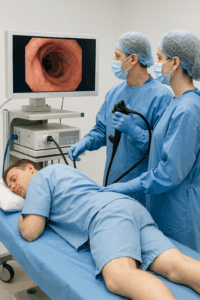
A colonoscopy is a procedure that allows a doctor (usually a gastroenterologist) to visually inspect the inner lining of your colon using a long, flexible tube called a colonoscope. This scope has a camera and light at the end.
A colonoscopy is performed for diagnosis, screening, or surveillance of:
Colorectal cancer (especially age 45+ or with family history)
Polyps (which can be removed before they become cancerous)
Unexplained GI symptoms, such as:
Rectal bleeding
Chronic diarrhea or constipation
Abdominal pain
Iron-deficiency anemia
Inflammatory Bowel Disease (Crohn’s or ulcerative colitis)
Follow-up after previous polyp or cancer diagnosis
You must empty your colon completely for a successful colonoscopy. This involves:
Clear liquid diet the day before (no red/purple liquids)
Laxative solution (e.g., polyethylene glycol or “GoLYTELY”) taken the night before and/or morning of
May require holding medications like blood thinners (under doctor guidance)
Usually done under sedation (you’re asleep or very relaxed).
The doctor inserts the colonoscope through the rectum and advances it through the entire colon.
Air or carbon dioxide is used to inflate the colon for better visibility.
Polyps, abnormal tissue, or biopsies may be removed during the exam.
The procedure itself: 20–45 minutes
Total time (including prep, recovery): 2–3 hours
You may feel bloated or gassy (air needs to exit).
Someone must drive you home due to sedation.
Normal activity can usually resume the next day.
Prevents colorectal cancer by detecting and removing precancerous polyps.
Diagnoses symptoms and diseases early.
Generally safe and well-tolerated.
Just need a preventative screening? Skip the visit and try our open access colonoscopy program. Click below to submit your information.
The most common postoperative issues are discussed in our Post Op Instructions